Archives
- 2026-08
- 2026-07
- 2026-06
- 2026-05
- 2026-04
- 2026-03
- 2026-02
- 2026-01
- 2025-12
- 2025-11
- 2025-10
- 2025-09
- 2025-03
- 2025-02
- 2025-01
- 2024-12
- 2024-11
- 2024-10
- 2024-09
- 2024-08
- 2024-07
- 2024-06
- 2024-05
- 2024-04
- 2024-03
- 2024-02
- 2024-01
- 2023-12
- 2023-11
- 2023-10
- 2023-09
- 2023-08
- 2023-07
- 2023-06
- 2023-05
- 2023-04
- 2023-03
- 2023-02
- 2023-01
- 2022-12
- 2022-11
- 2022-10
- 2022-09
- 2022-08
- 2022-07
- 2022-06
- 2022-05
- 2022-04
- 2022-03
- 2022-02
- 2022-01
-
Regulation of Gja involves a
2022-06-18
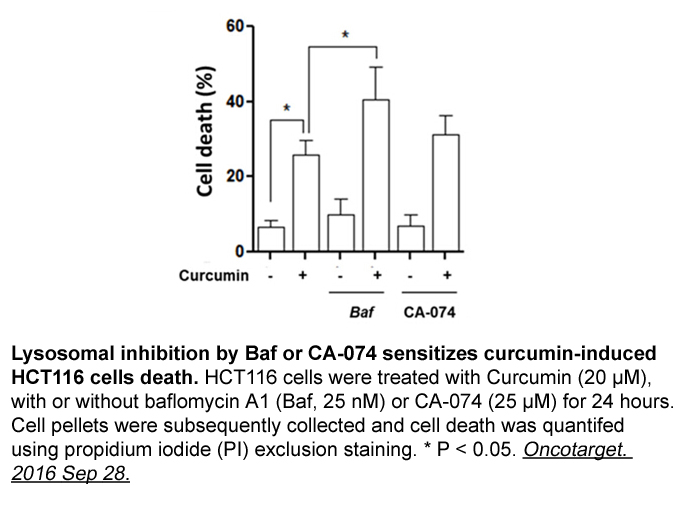
Regulation of Gja4 involves a member of the wingless-type MMTV integration site family, WNT4. Mice deficient in Wnt4 had reduced (30%) expression of GJA1 compared to WT mice [40]. It is thought that WNT signaling regulates GJA1 expression and GJIC in granulosa Acridine Orange hydrochloride by modul
-
In total strains with relatively rapid
2022-06-18
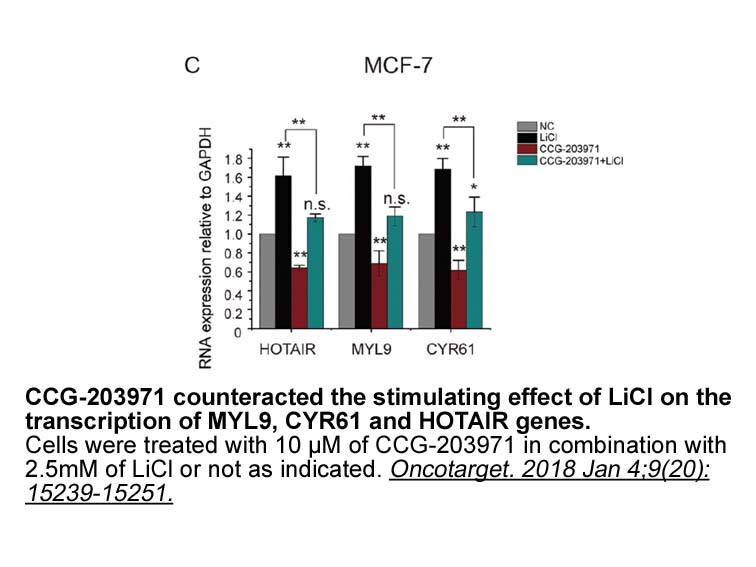
In total, 5 strains with relatively rapid acid-producing ability (MA14, 15M2, DQHXNQ38–12, 5G2, and 6G5) were selected for further analysis. Compared with the strains ATCC19435, ZN8, and D-XJ4–12, which were used as controls, these 5 strains exhibited significantly different growth and titratable ac
-
Brain derived neurotrophic factor BDNF
2022-06-18
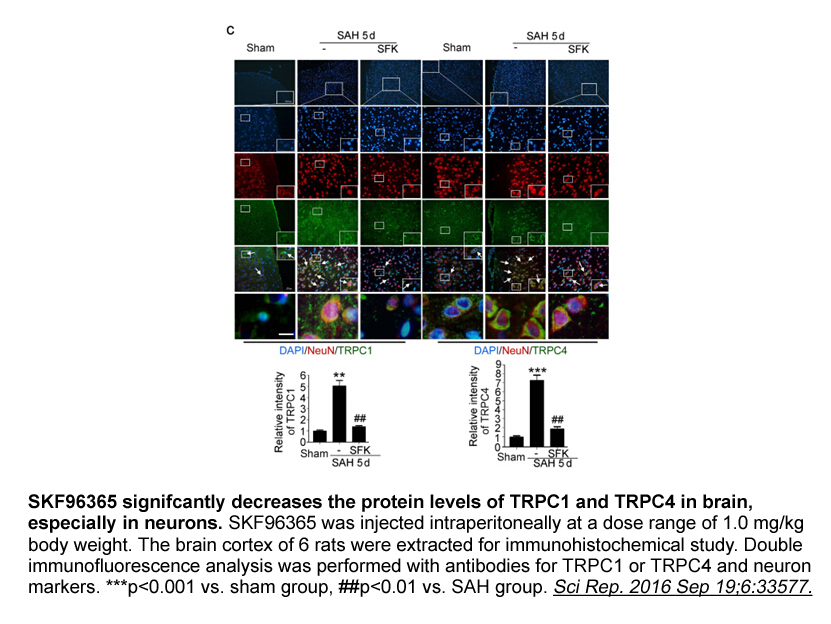
Brain-derived neurotrophic factor (BDNF) is the most abundant growth factor in the brain and is critical for neuronal development and synaptic plasticity (Bekinschtein et al., 2008; Lu et al., 2014). Besides playing an important role in mood and cognition, BDNF is also involved in the regulation of
-
Till date the first line treatment of T DM is
2022-06-18

Till date, the first line treatment of T2DM is oral metformin followed by oral sulfonylureas, dipeptidyl peptidase-IV-inhibitors, and TZDs. As the disease progresses, injectable glucagon-like peptide-I analogues or ultimately insulin become necessary to maintain glycaemic control. Despite the establ
-
br Experimental procedures br Results br
2022-06-18
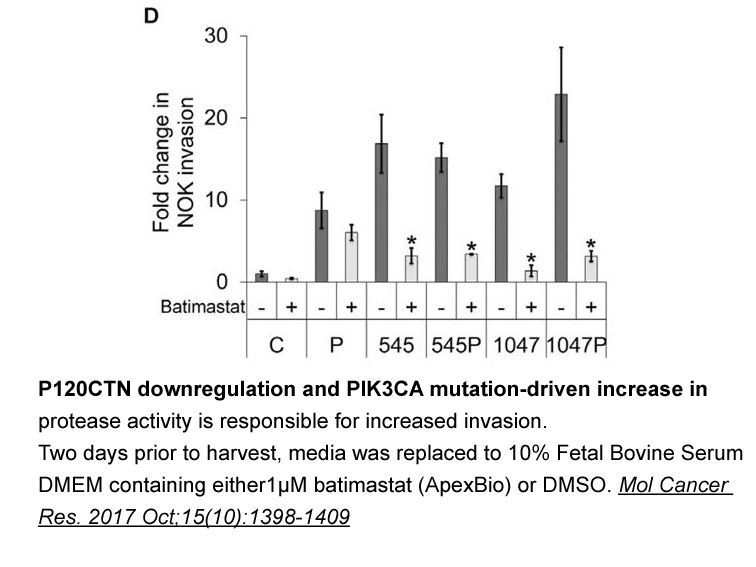
Experimental procedures Results Discussion This study demonstrates that the genetic disruption or pharmacological inhibition of FAAH completely prevented all manifestations of pain symptoms in an NTG-induced migraine animal model. Thus, FAAH disruption or blockade abolished the activation o
-
br Acknowledgments R Dalmann has obtained a bourse Cifre
2022-06-18
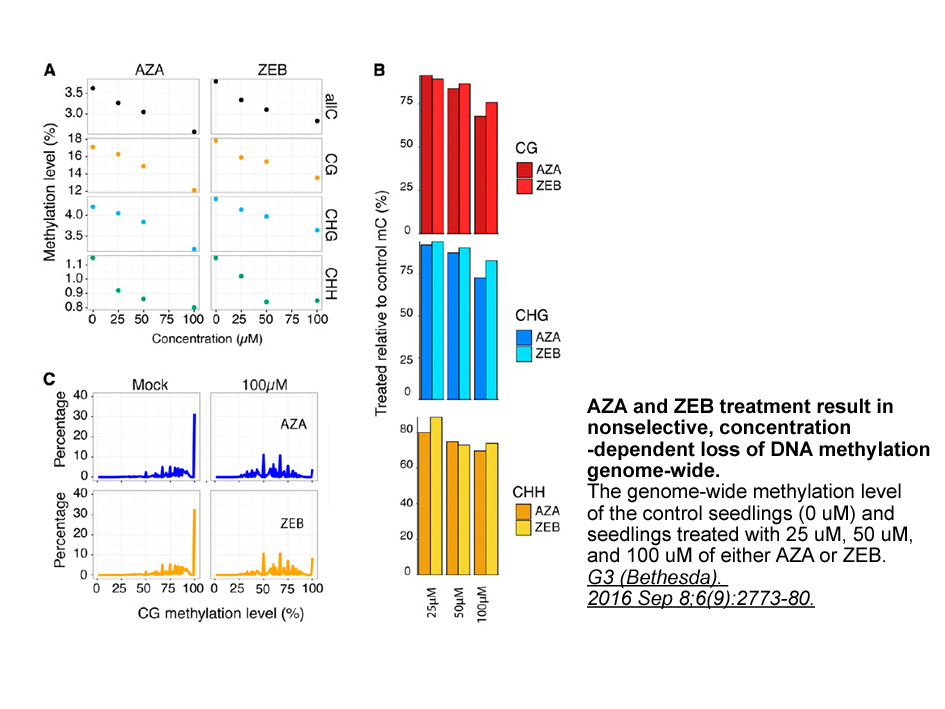
Acknowledgments R. Dalmann has obtained a “bourse Cifre” (grant 304/2011) from the ‘Association Nationale de la Recherche Technique’ and Bristol-Myers-Squibb. Introduction Endocannabinoids, their molecular targets (receptors), their synthetic and degrading enzymes and proteins that transport
-
Not only has the cortical
2022-06-18
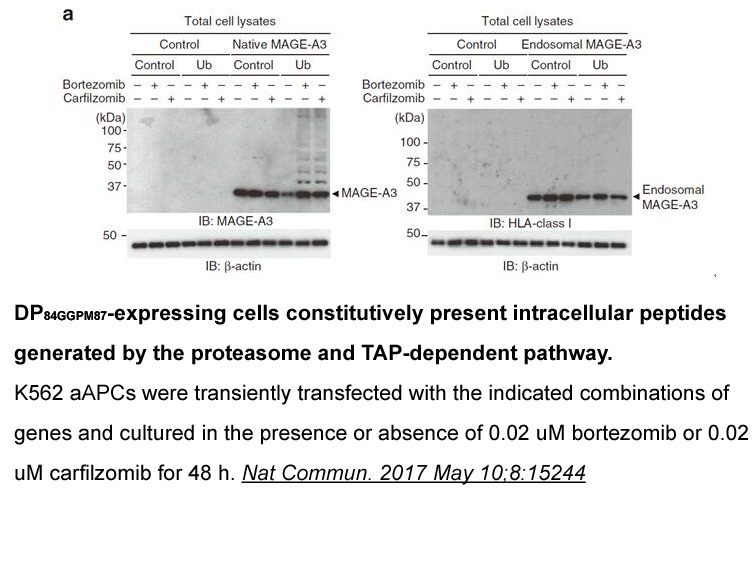
Not only has the cortical neurokinin receptor network been found to influence plasma membrane properties but also to interact with exo- and endocytic vesicles (Gormal et al., 2015, Tomatis et al., 2013). The interplay between actin and membranes is integrally regulated by the phosphoinositide compo
-
Although epigenetic mechanisms are implicated in the pathoge
2022-06-18
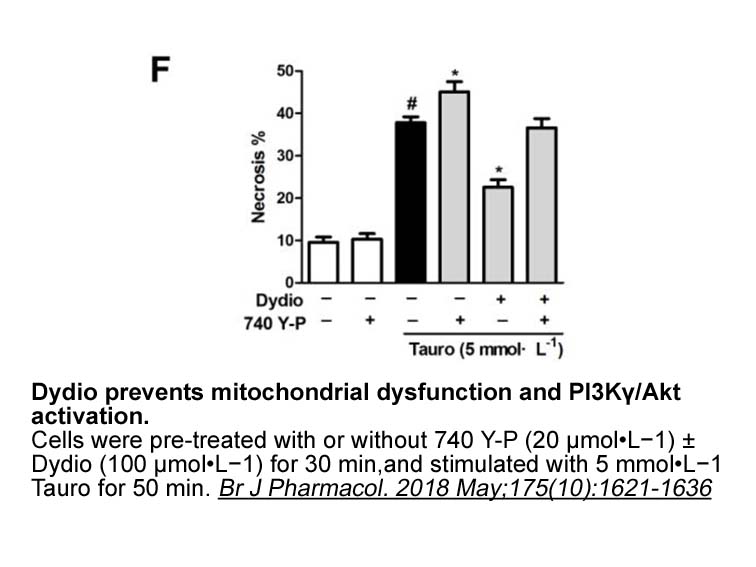
Although epigenetic mechanisms are implicated in the pathogenesis of hematopoietic malignancies, little is known about the role of lysine-specific histone demethylases and whether manipulation of these enzymes can be translated into targeted therapies. KDM6A is the most frequently mutated histone de
-
Histamine which was used as the agonist had low potencies
2022-06-18
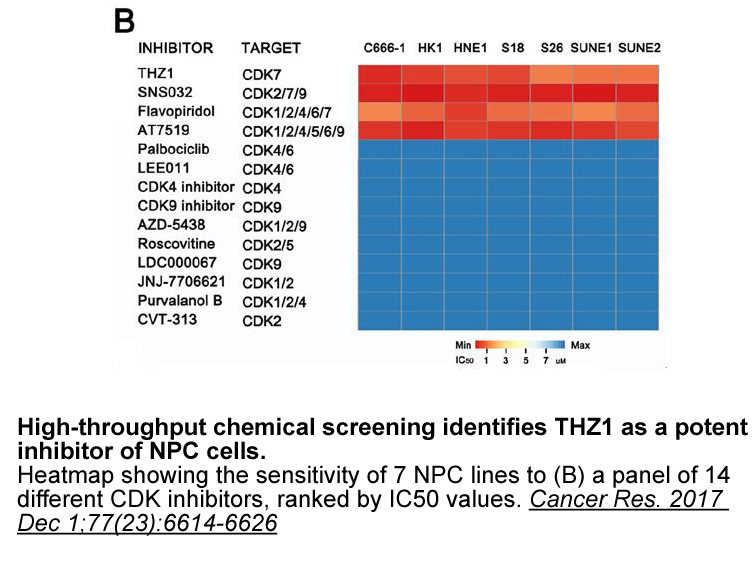
Histamine, which was used as the agonist, had low potencies in our functional experiments when compared to its affinity from binding studies (e.g. Lim et al., 2005). This phenomenon is related to the fact that the coupling of the presynaptic receptor to the transduction machinery and the final funct
-
Apigenin trihydroxyflavone a natural plant flavone is
2022-06-18
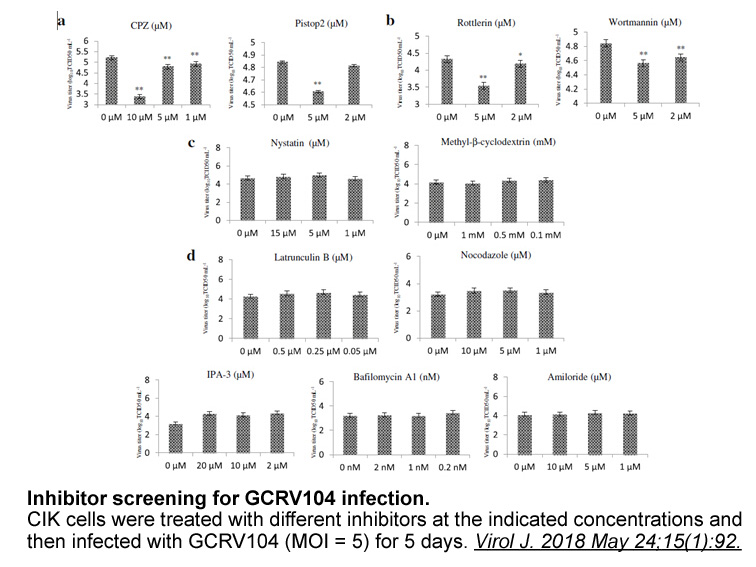
Apigenin (4′, 5, 7-trihydroxyflavone), a natural plant flavone, is a bioactive compound present in a variety of fruits, vegetables, and medicinal plants, and its various beneficial biological activities have been reviewed (Zhou et al., 2017), including HIF-1α inhibition-mediated anti-tumor. Recently
-
Theoretically the majority of resistance mechanisms identifi
2022-06-18
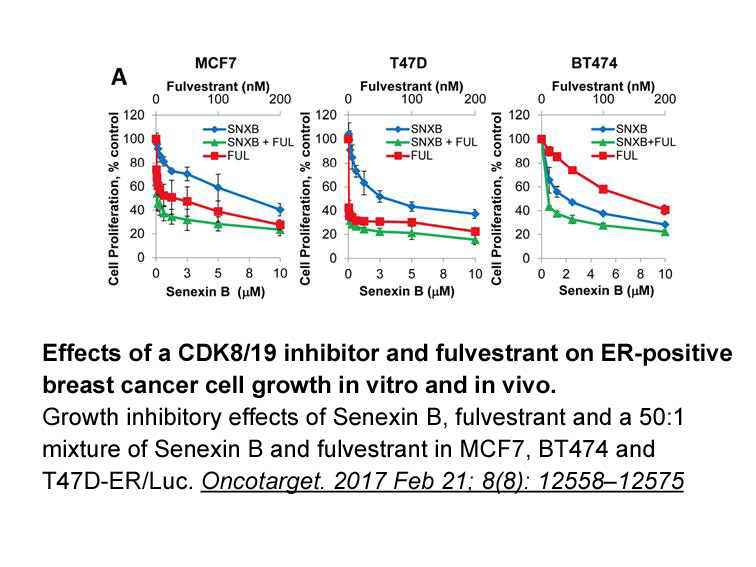
Theoretically, the majority of resistance mechanisms identified so far could be targeted by compounds that are already available, such as inhibitors of ER, PIK3CA/mTOR or FGFR1. However, the potential therapeutic advantage of combining these agents with standard HER2-targeting treatments must be wei
-
The effect of microtubule inhibitors
2022-06-18
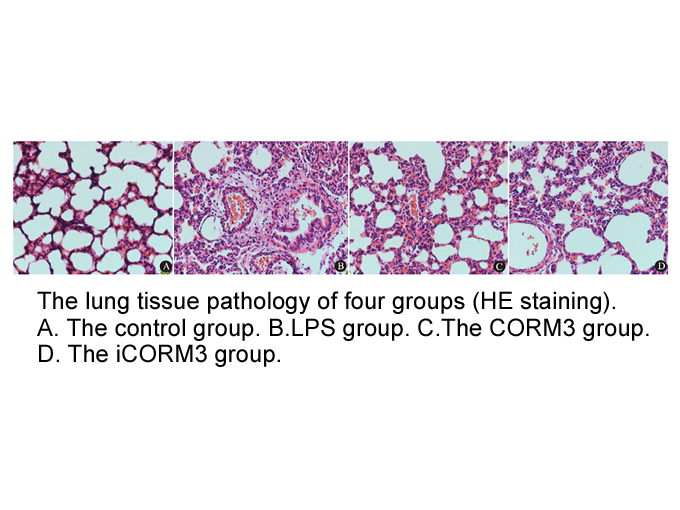
The effect of microtubule inhibitors on HBV infection and replication were reported previously. In the study by Dr. Ai-Long Huang's group, microtubule inhibitors promoted HBV replication in Hep2.2.15 and HepG2-HBV1.1, in which HBV DNA is integrated into the chromosomal DNA (Xu et al., 2015). Integra
-
Haploid germ cell specific nuclear protein
2022-06-18
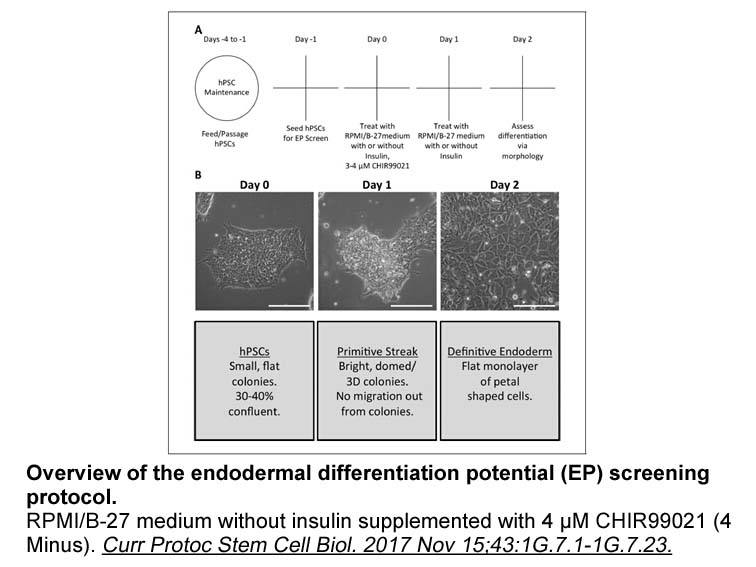
Haploid germ cell-specific nuclear protein kinase (Haspin) proteins are divergent members of the eukaryotic protein kinase family. Haspin (encoded by germ cell-specific gene 2: Gsg2) is found in many eukaryotic lineages (animal, fungi, and plants), and the protein and its mRNA were initially detecte
-
Ajzenman et al reported improved stability
2022-06-17
Ajzenman et al reported improved stability and postural parameters in ASD children after EAT. Other authors presented similar findings,61, 62, 63, 64 although the studies were conducted among children with CP, and reported improved muscle symmetry,, stability of the head and the trunk, motor functio
-
By regulation of synaptic glutamate concentration glutamate
2022-06-17

By regulation of synaptic glutamate concentration, glutamate transporters play an important role in limiting glutamate signaling and controlling the activation of glutamate receptors (Rimmele and Rosenberg, 2016). Reduced glutamate transport is thought to underlie the pathogenesis of numerous neurol
8039 records 440/536 page Previous Next First page 上5页 436437438439440 下5页 Last page